
Blog
AI Security: 5 Things Every Business Should Know Before Using AI
Artificial intelligence is quickly becoming a valuable business tool. From writing and research to customer service and data analysis, AI can help employees save time and accomplish more. But using AI without appropriate safeguards can also create new security, privacy, and compliance risks. Before employees begin using AI tools throughout the business, it is important to establish clear guidelines for when AI should—and should not—be used.
5 Things Every Business Should Do for Cybersecurity Awareness Month
October is National Cybersecurity Awareness Month, making it the perfect time for businesses to take a fresh look at their cybersecurity practices. Cyber threats continue to evolve, and businesses of every size are targets for phishing, ransomware, business email compromise, and other attacks. The good news is that improving your security posture does not have to be complicated. Here are five important steps every business should take to better protect its people, data, and technology.

Preparing Your Business for the Next Wave of Business Email Compromise (BEC) Attacks
Business Email Compromise (BEC) remains one of the most costly and persistent cybersecurity threats facing businesses today. Unlike attacks that rely on obvious malware or suspicious attachments, BEC attacks often involve convincing messages that appear to come from a trusted executive, employee, customer, or vendor. As cybercriminals adopt artificial intelligence and more sophisticated social engineering techniques, businesses need to prepare for the next generation of email-based attacks.
Vulnerability Scanning: How to Detect Exposure Before It Spreads
Cybersecurity threats don’t always begin with a sophisticated attack. Sometimes, all it takes is an outdated operating system, an unpatched application, or a known software vulnerability that an attacker discovers before your business does. Vulnerability scanning helps businesses identify these weaknesses before they become an open door to cybercriminals.

5 Questions to Ask Your Technology Advisor About Your Security Posture
Cyber threats continue to evolve, and many businesses assume they’re protected simply because they have antivirus software or a firewall. The reality is that cybersecurity is much more than technology—it’s about having the right strategy and the right advisor.
Whether you work with an MSP, telecom advisor, or IT consultant, these five questions can help determine whether your organization is truly prepared for today’s cybersecurity landscape.

Is Your Business AI-Ready? Essential Steps Before Implementing AI
Artificial Intelligence is rapidly transforming how businesses operate. From automating repetitive tasks and improving customer service to accelerating decision-making, AI is quickly becoming a competitive advantage. However, before implementing new AI tools, every organization should ask one critical question:

Shadow AI: Why Every Business Needs Managed AI Security
AI Is Transforming Business—But It Also Introduces New Risks Artificial Intelligence is rapidly becoming part of everyday business operations. Employees are using AI tools to write emails, summarize documents, analyze data, and improve productivity. While these tools...
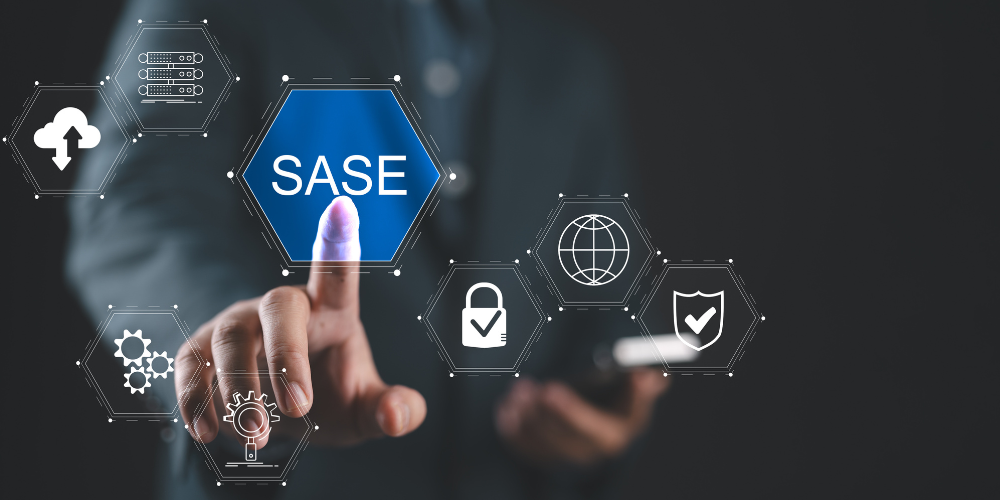
SASE Solutions: The New Backbone of Modern Networks
As businesses continue to embrace cloud applications, remote work, and hybrid environments, traditional network architectures are struggling to keep up. The old model of routing all traffic through a centralized office firewall was designed for a different era—one where employees worked primarily from the office and applications lived inside the corporate data center.

Compliance, Cyber Insurance, and Risk Management in 2026: What Every Business Needs to Know
As cyber threats continue to rise, compliance has become a critical component of every organization’s cybersecurity strategy. Whether your business handles healthcare data, supports government contracts, or simply wants to maintain cyber insurance coverage, understanding today’s compliance requirements is essential for managing risk and protecting your business.
Compliance, Cyber Insurance, and Risk Management in 2026: What Every Business Needs to Know
As cyber threats continue to rise, compliance has become a critical component of every organization’s cybersecurity strategy. Whether your business handles healthcare data, supports government contracts, or simply wants to maintain cyber insurance coverage, understanding today’s compliance requirements is essential for managing risk and protecting your business.